SEATS
Window and rear seats ran louder
On two measured flights, window seats had about 4 dB(A) more noise than middle and aisle seats, and the rear of the cabin was louder than the front.
See the numbers cabinnoise
WHAT THE MEASUREMENTS SAY
A plane cabin is louder than most rooms you sit in.
Check a flight stage
LISTENwith care
Researchers who carried sound meters on board found the level changes with each stage of the flight and with where you sit. Knowing the pattern helps you pick a seat and keep your headphones at a sensible volume.
At a glance
83.5 dB(A)
Median cabin sound level
A study that measured sound on 200 flights across six aircraft groups found a median of 83.5 dB(A). Levels differed with closeness to the engines and between aircraft with fuselage- and wing-mounted engines.
200 FLIGHTS · ZEVITAS ET AL. 2018
+4 dB(A)
Window seat vs middle and aisle
During cruise, window seats showed about 4 dB(A) more noise than middle and aisle seats. In the same minute, the rear measured 78.5 dB(A), the front 76 and the middle 75.
SEAT POSITION · OZCAN AND NEMLIOGLU 2006
TWO NUMBERS WORTH KNOWING
One figure from 200 measured flights,
one on how much the seat can matter.
For scale only: UK workplace rules (Control of Noise at Work Regulations 2005) set action values at a daily or weekly average of 80 dB(A) and 85 dB(A). These apply to employees, not to passengers.
A QUICK FLIGHT CHECK
Pick a stage of the flight to see the average continuous sound level measured in the cabin. The bar shows how loud that stage was compared with the others.
Averages from two measured short-haul flights on a single-aisle jet with wing-mounted engines. Your aircraft and seat will differ.
THE SHORT ANSWER
Cabin noise rises and falls through a flight.
Seat, stage and headphones all make a difference.
SEATS
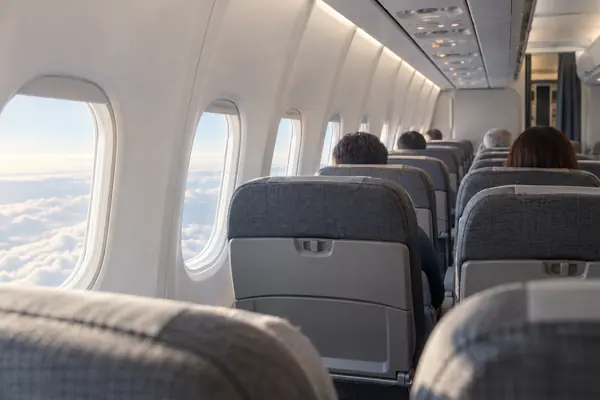
On two measured flights, window seats had about 4 dB(A) more noise than middle and aisle seats, and the rear of the cabin was louder than the front.
See the numbersHEADPHONES
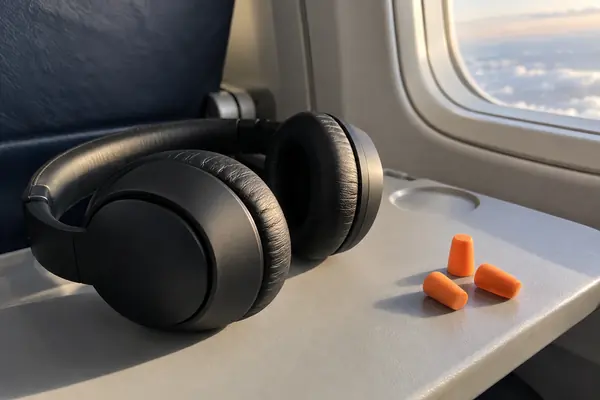
WHO advice for protecting hearing is to keep personal audio volume down and use well-fitted, if possible noise-cancelling, earphones or headphones.
Habits to trySTAGES
Measured averages were around 63 to 65 dB(A) while parked and taxiing, rising to about 77 to 79 dB(A) on the climb and at cruise.
Check each stage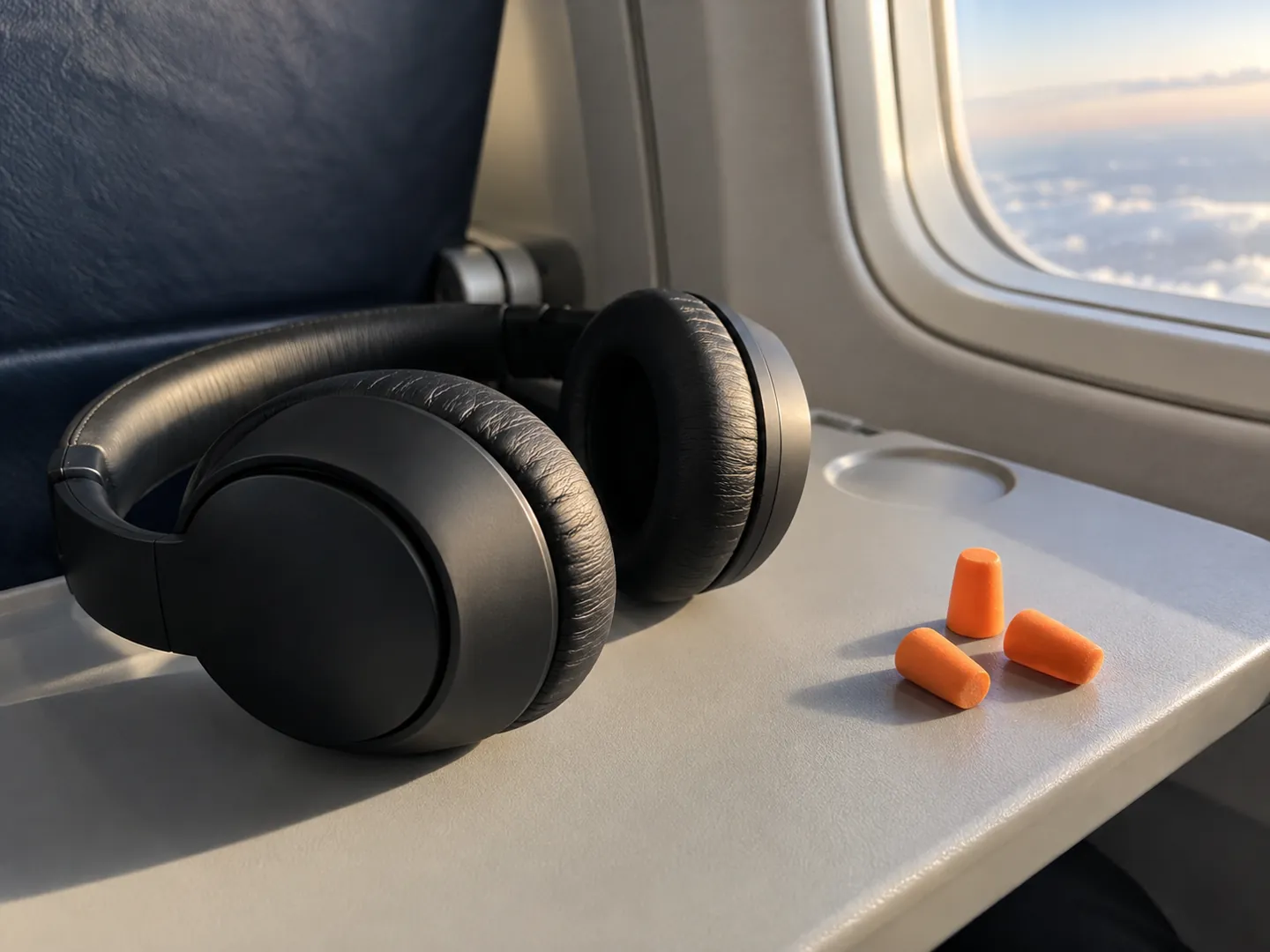
FOUR HABITS TO TRY
None of these needs special kit. They are about the seat you choose and how you use what you already carry.
On the measured flights, aisle and middle seats near the middle of the cabin were the quieter places to sit.
Well-fitted earphones, headphones or earplugs cut the background noise, so you do not need to turn the volume up to hear over it.
The WHO-ITU safe listening standard sets an adult reference of 80 dB for 40 hours a week. Lower and shorter is gentler.
HSE lists muffled hearing at the end of a day as a sign of being exposed to too much noise at work. It is worth noticing after a long flight too.
WHERE THE NOISE COMES FROM
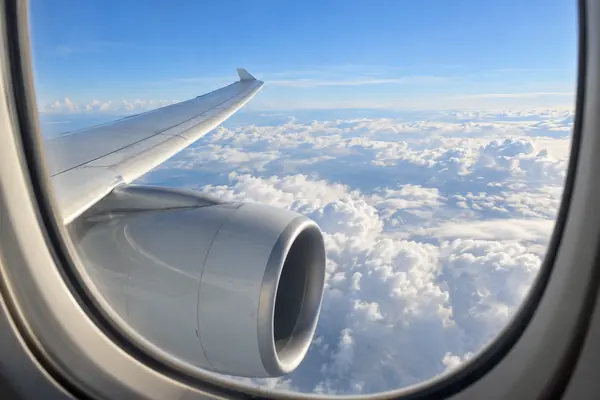
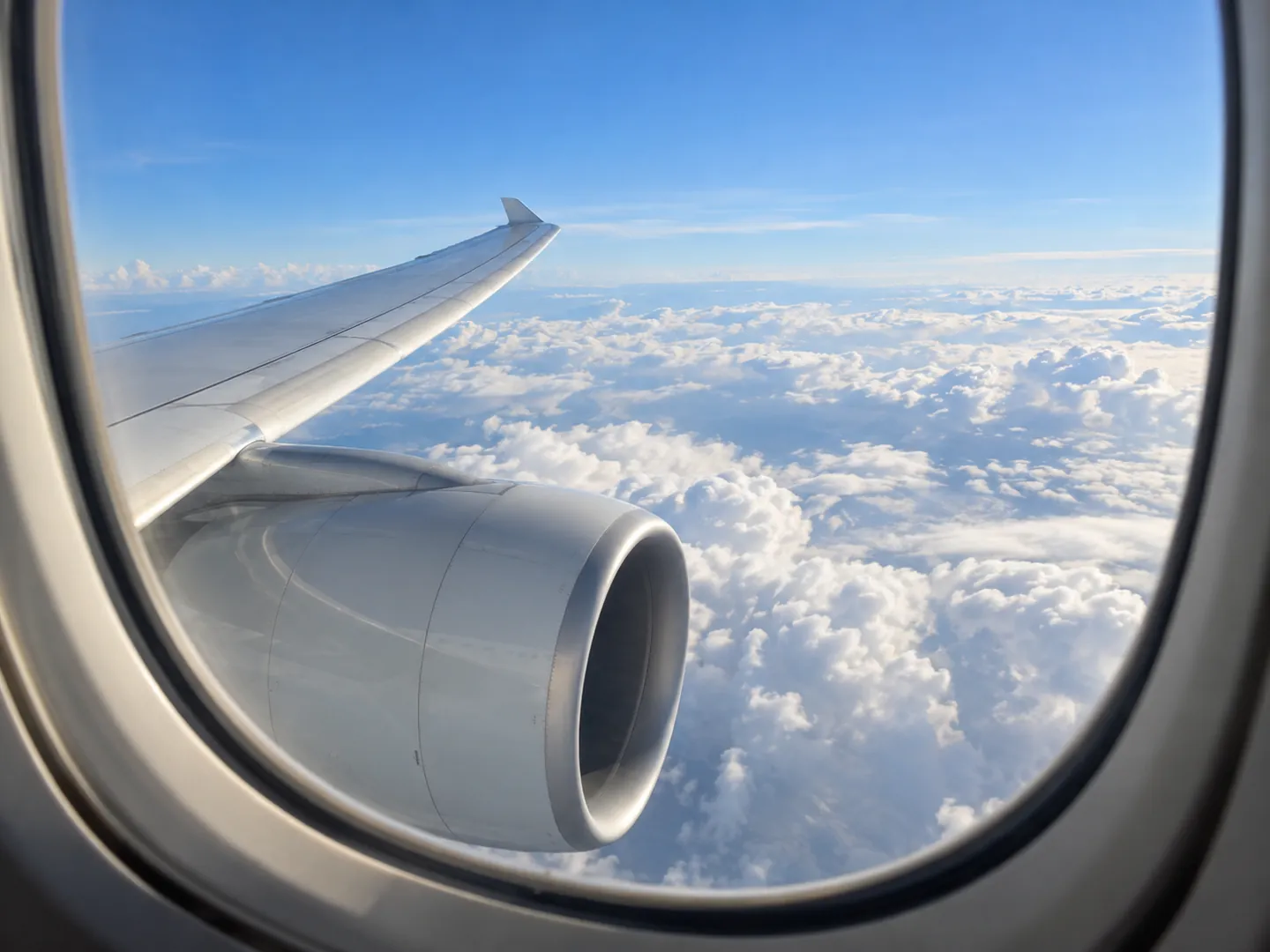
Engines matter, especially on take-off, and the 200-flight study found levels varied with how close you sat to them. At cruise, the airflow rushing over the outside of the fuselage is described as a major source of the steady roar.
Then there is the cabin itself: announcements, warning chimes, trolleys, overhead bins and conversation. On the measured flights, these short sounds ranged from about 62 to 89 dB(A), and announcements were among the loudest.
Questions
A study of 200 flights found a median sound level of 83.5 dB(A). On two measured short-haul flights, average levels were about 78 to 79 dB(A) at cruise and around 63 to 65 dB(A) while parked or taxiing.
On the two measured flights, take-off and climb and cruise had the highest averages, about 77 to 79 dB(A). The single highest continuous reading, 85.5 dB(A), was during take-off and climb.
On the measured flights, the rear of the cabin was the loudest at 78.5 dB(A), the front 76 and the middle 75. The 200-flight study found levels depended on how close you sat to the engines.
In the measurements, window seats showed about 4 dB(A) more noise exposure than middle and aisle seats during cruise.
WHO advice includes using well-fitted, and if possible noise-cancelling, earphones or headphones and keeping the volume down. Blocking background noise means you do not have to turn your audio up to hear it.
Sources
ABOUT THIS NAME
cabinnoise.com is part of the DoodleSale portfolio. It isn't in an auction right now, but you can ask about leasing it.